 25minutes.
Full Episode
Green Machine (Ep. 203)
25minutes.Green Machine (Ep. 203)
 25minutes.
Water Dancing (Ep. 205)
 27minutes.
Band Cam (Ep. 209)
 25minutes.
Functional Fashion (Ep. 108)
 26minutes.
Gravity Bikes (Ep. 204)
 25minutes.
Backyard Thrill Ride (Ep. 206)
 25minutes.
Batter Up (Ep. 109)
 25minutes.
PVC Kayak (Ep. 202)
 26minutes.
Winner Takes All (Ep. 113)
 26minutes.
Bodies Electric (Ep. 112)
 25minutes.
Pumped (Ep. 110)
 27minutes.
Big Bugs (Ep. 207)
 25minutes.
Aquatic Robotics (Ep. 208)
 25minutes.
Blowin' in the Wind (Ep. 111)
 27minutes.
Cardboard Furniture (Ep. 201)
 28minutes.
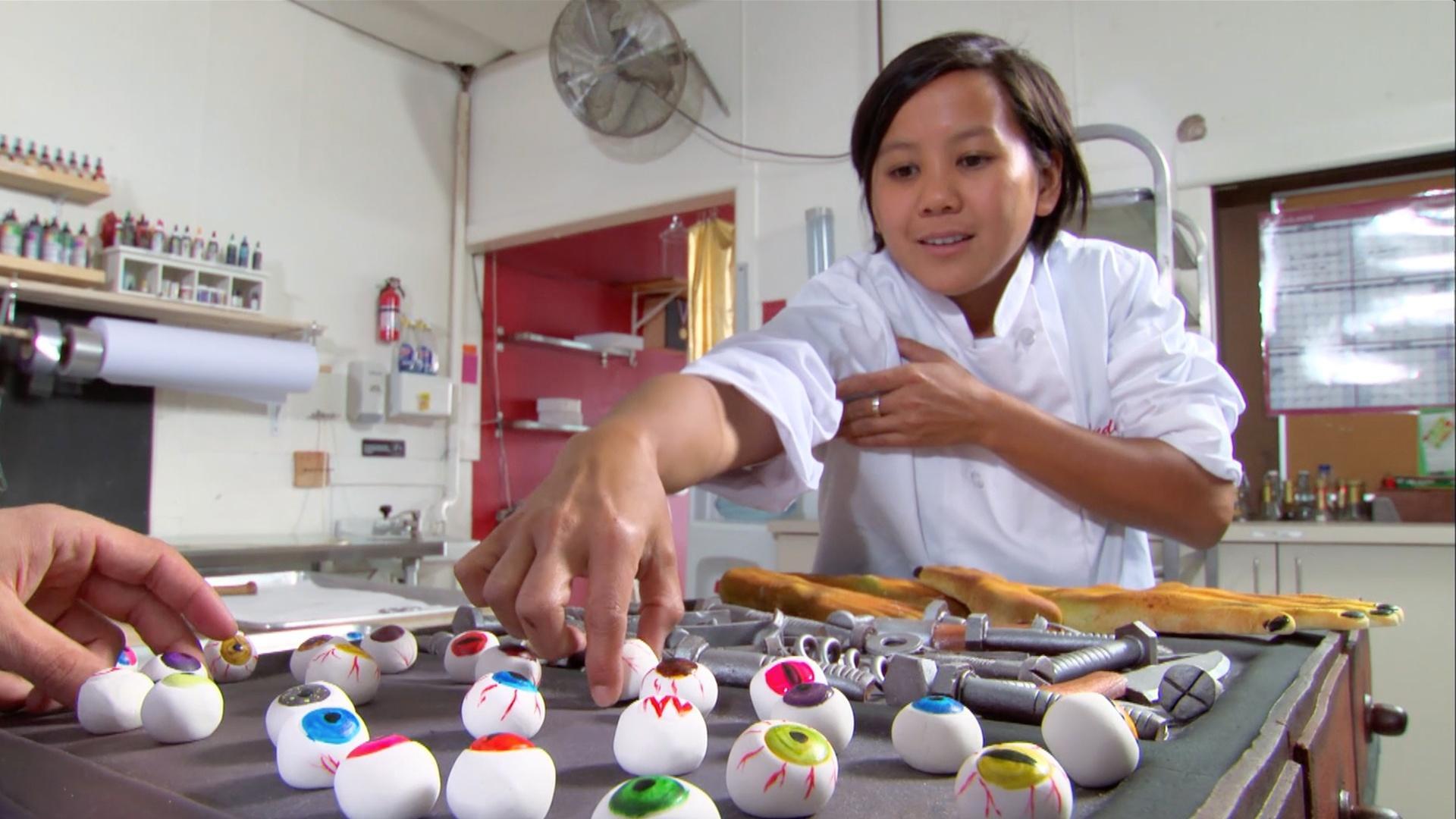
It's Alive! (Ep. 402)
 28minutes.
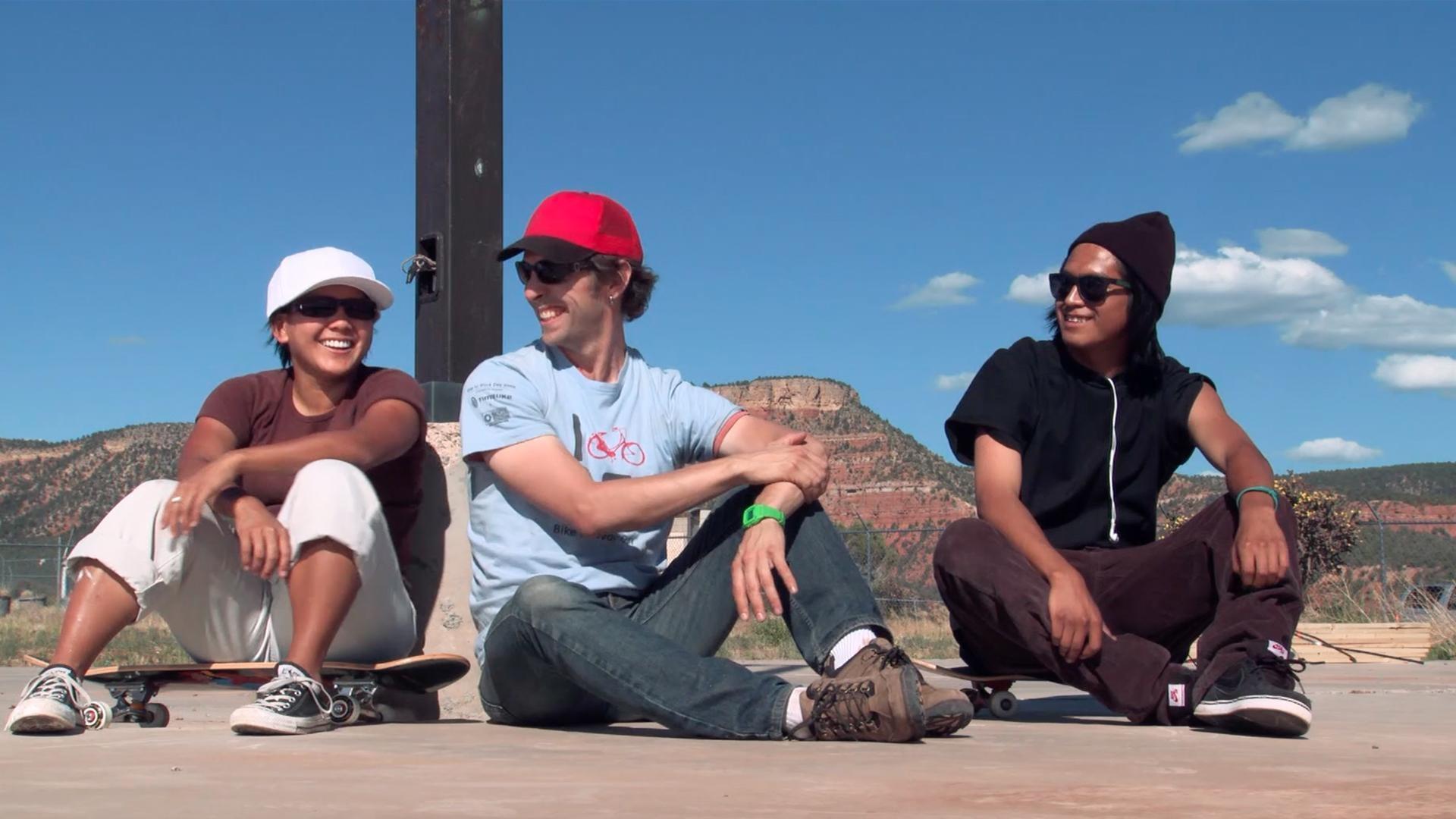
Apache Skateboarders (Ep. 401)
 28minutes.
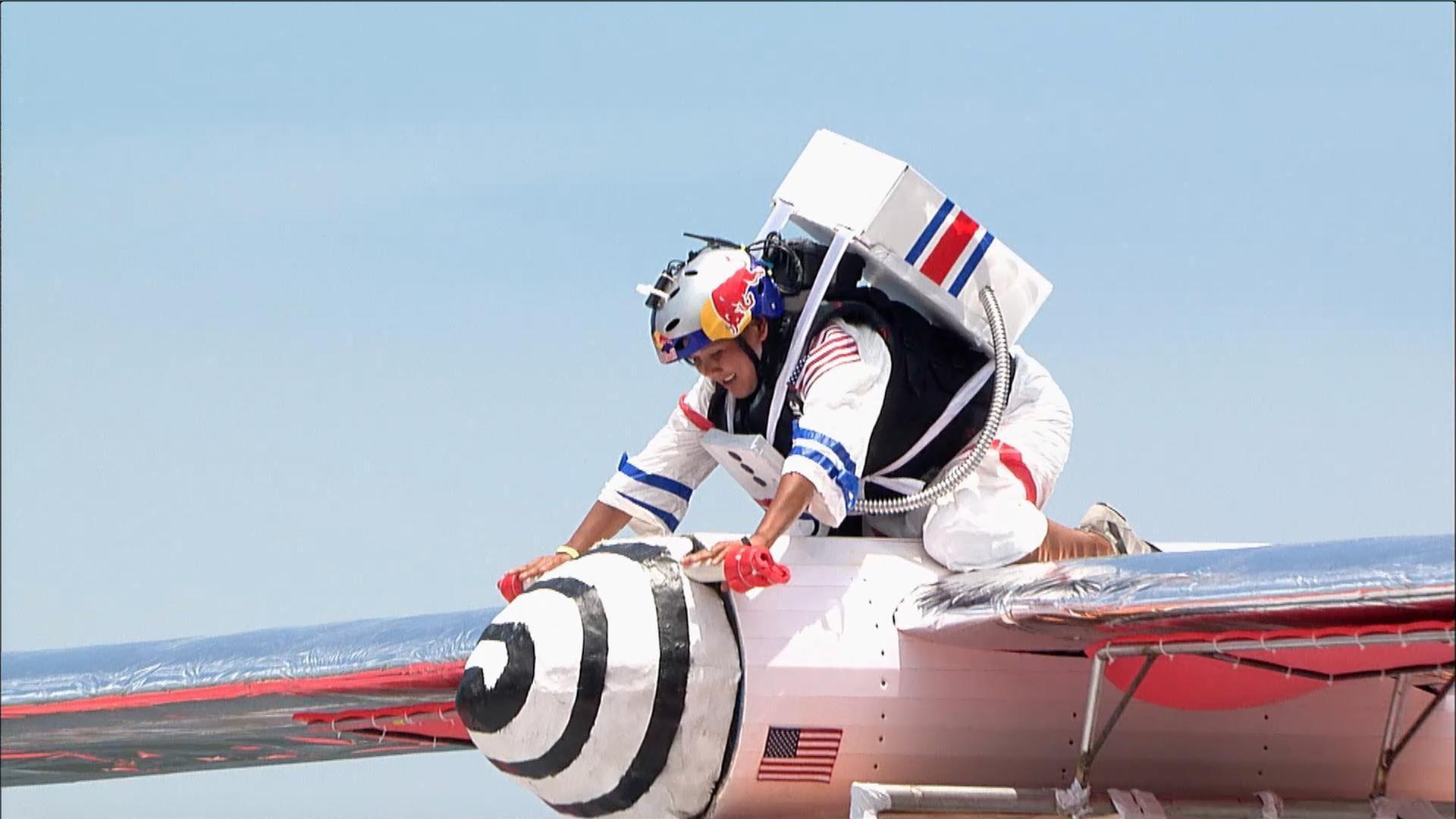
One Giant Leap Part 2 (Ep. 409)
 28minutes.
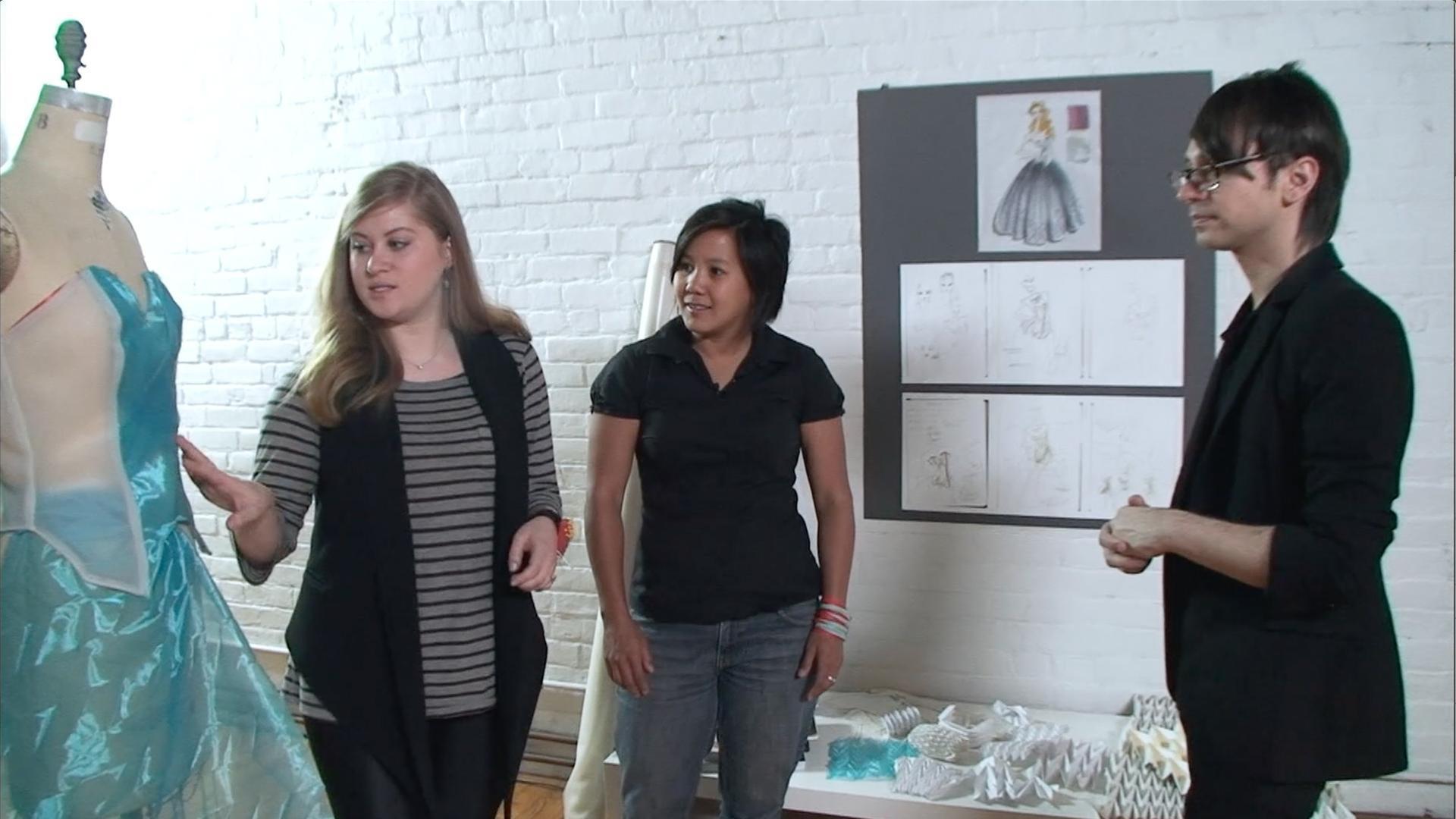
A Cut Above Part 1 (Ep. 404)
 28minutes.
A Cut Above Part 2 (Ep. 405)
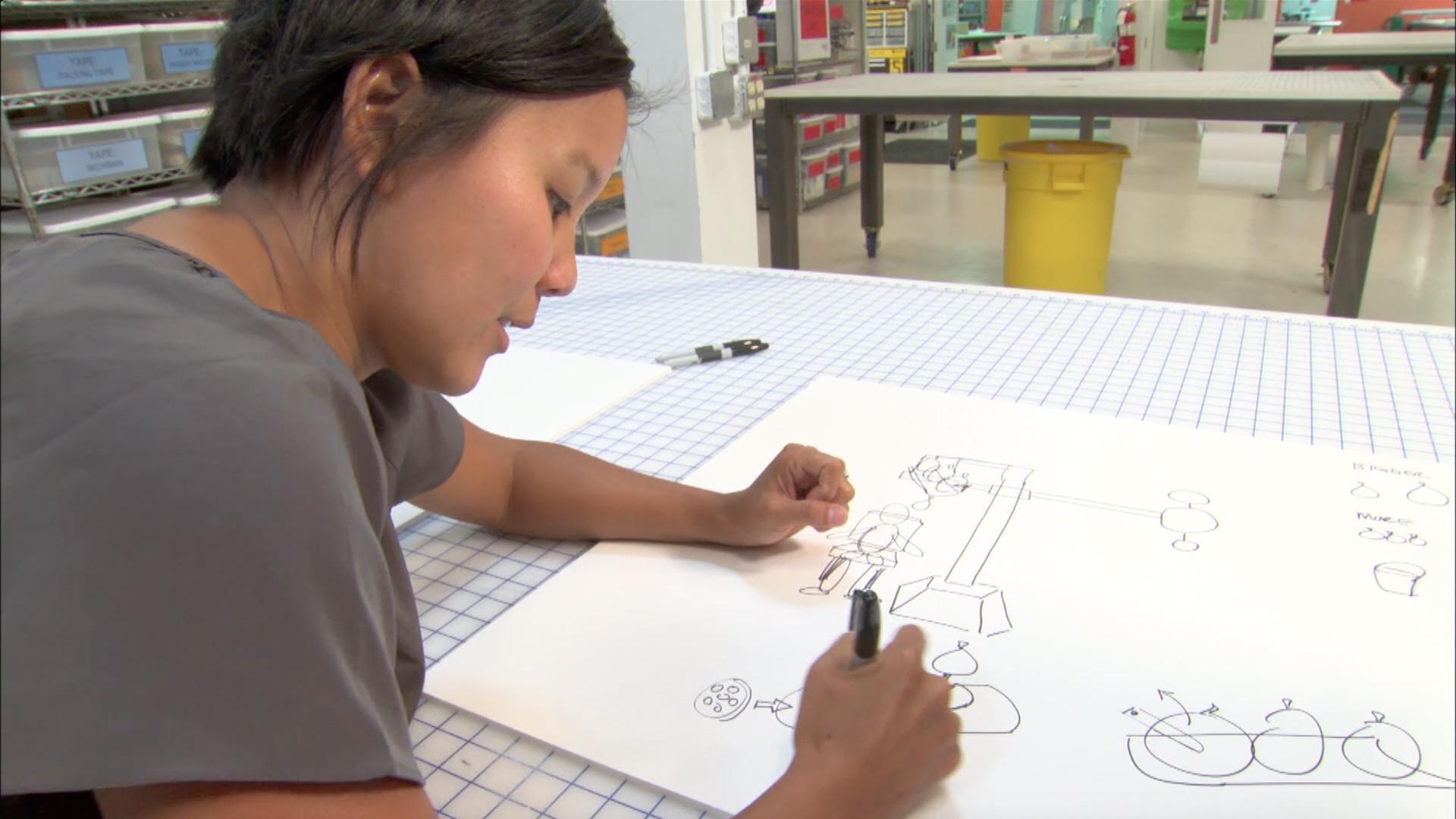 28minutes.
Trash to Treasure (Ep. 410)
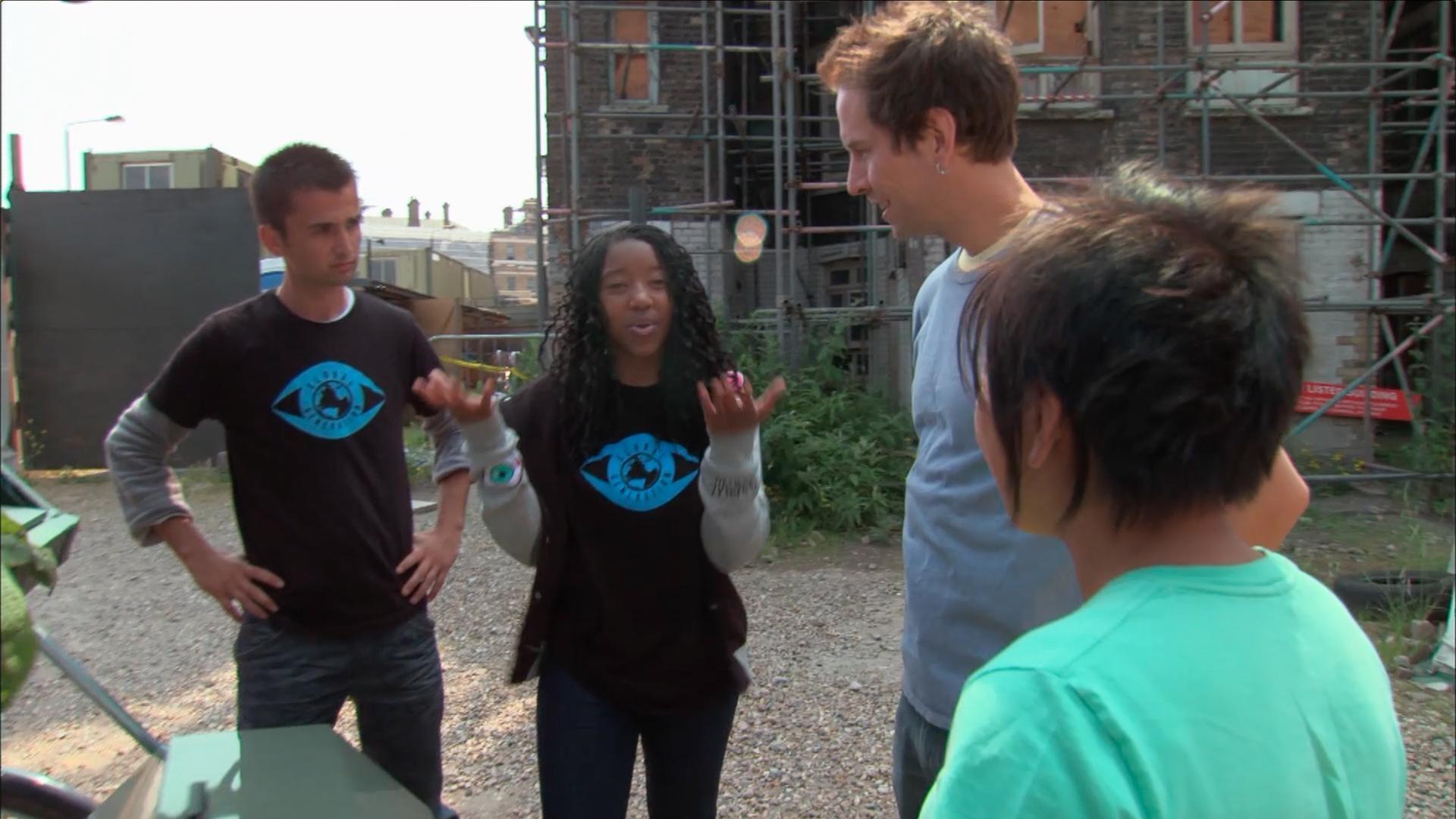 28minutes.
Garden-to-Go (Ep. 403)
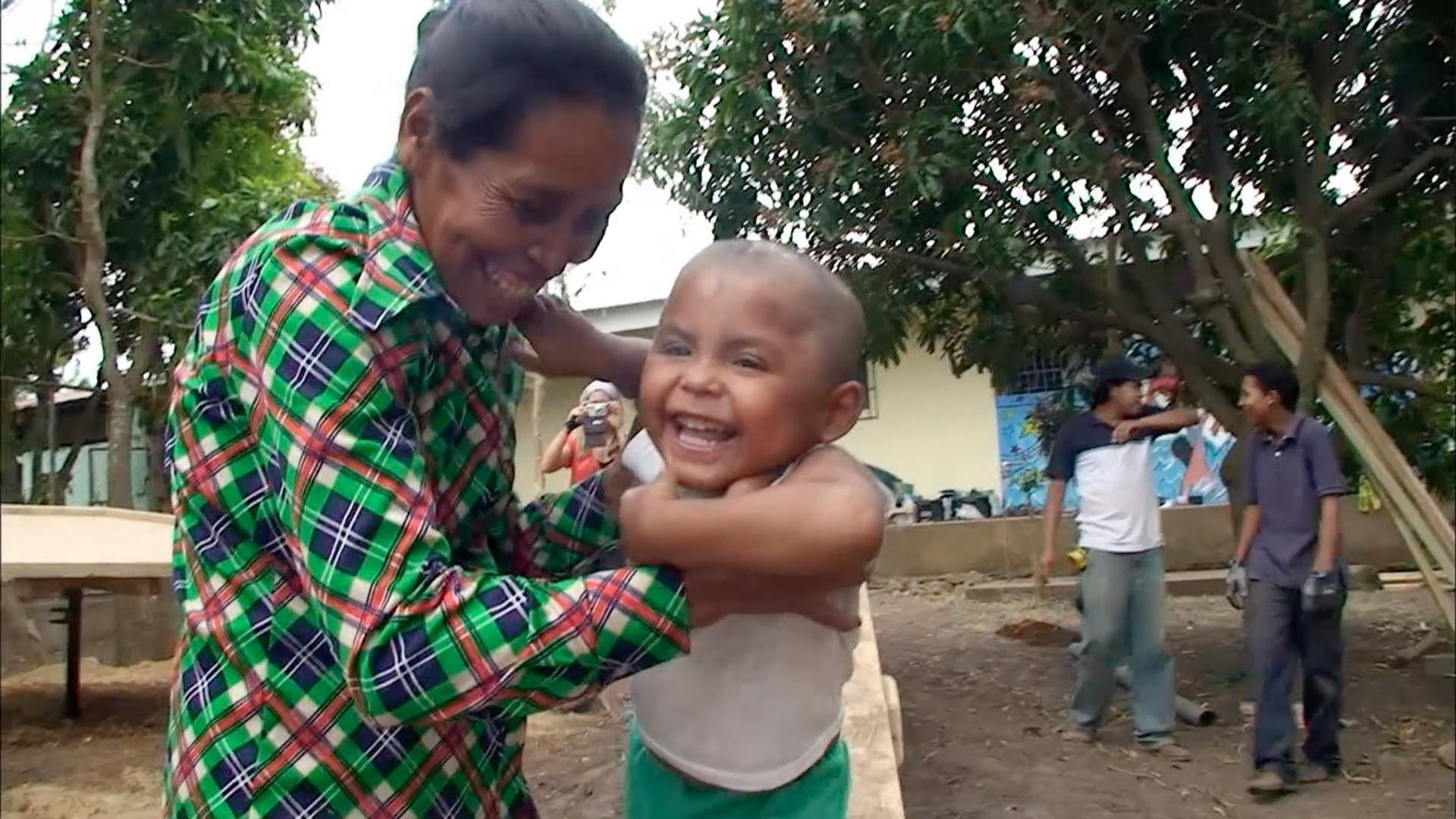 28minutes.
DIY Playground (Ep. 407)
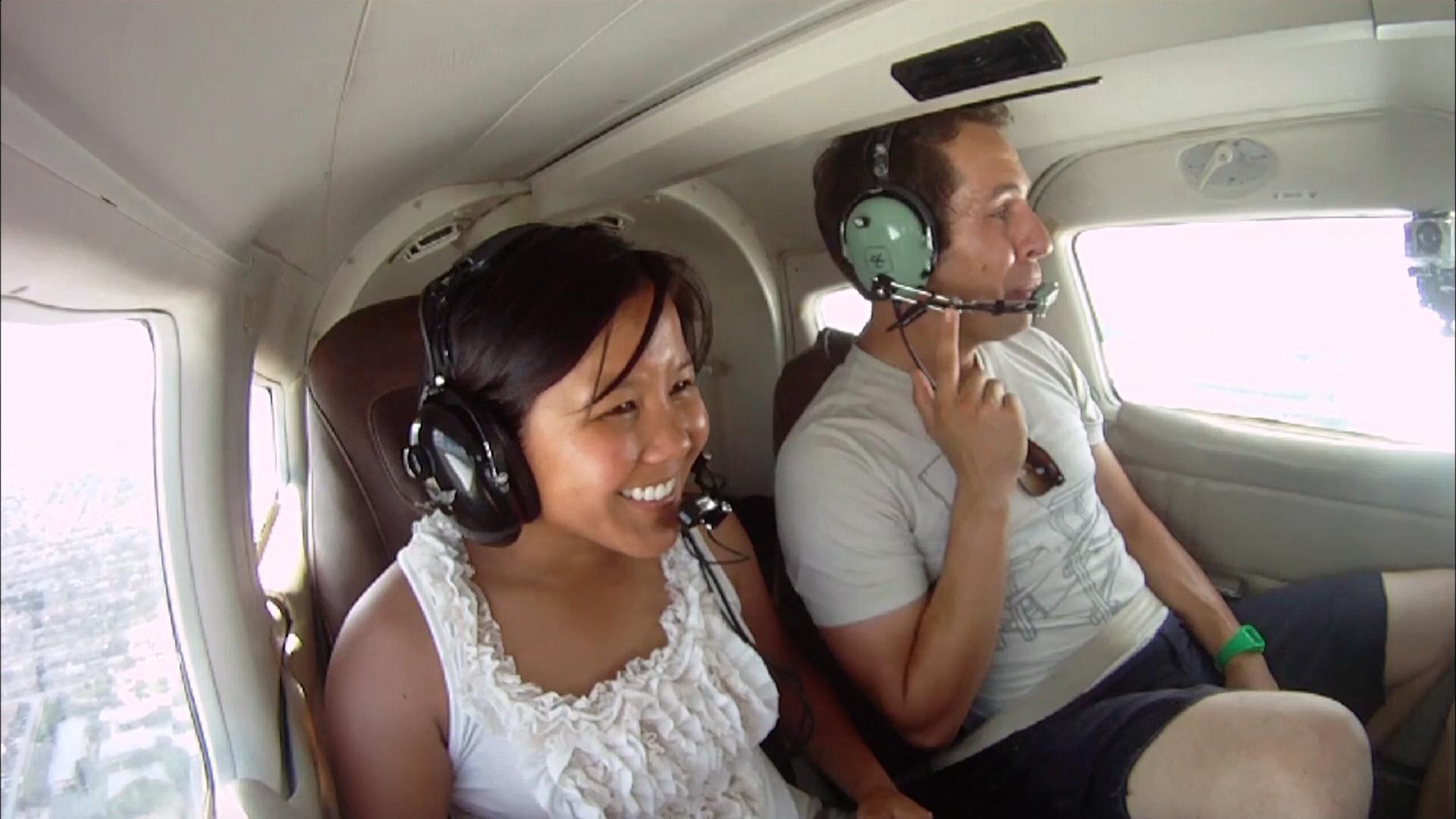 28minutes.
One Giant Leap Part 1 (Ep. 408)
 28minutes.
Musical Bike (Ep. 406)


