Summer can never seem to come soon enough--for pretty much all of us, it seems, but for kids especially. So let's take a moment to rejoice, because hallelujah, summer's here! But just because your kids are out of school, it doesn't mean the learning has to stop. Here are a few ways to slip some STEM into your barbeques, beach days, and road trips!
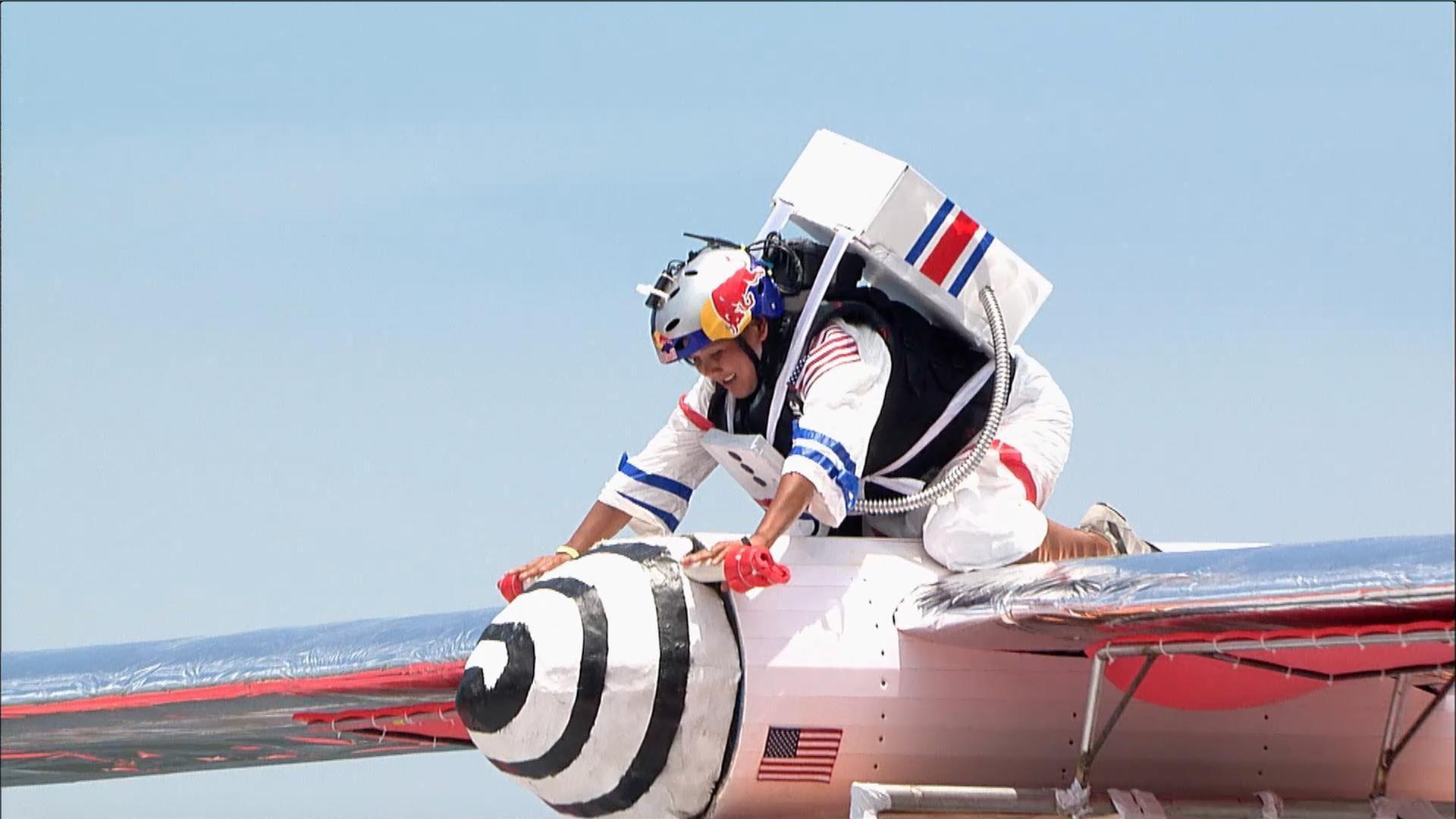
German for "flying day," Flugtag gives everyday people a chance to achieve flight by challenging them to build homemade, human-powered flying machines and pilot them off a 30-foot high deck--into the water below it. And that's just what Adam and Judy did with the help of Felipe, a 15-year-old pilot in Miami, in the two-part episode One Giant Leap.
The aircraft (and I use that term loosely) are judged not only on distance, but on creativity and showmanship as well. Think flying hamburgers, muscle-bound torsos, cakes, wrestlers, trailer parks, and clowns in fire trucks.No, really.
Our gang teamed up with NASA to build a glider-inspired design that made
an impressive showing in distance and style in front of a crowd of
85,000. Want to find out how we did? Check out Part 1 for the build and Part 2 for the competition. Seeing really is believing.
This episode packs a punch with the cool, creative, and fun side of engineering. You can also use it to teach engineering concepts related to space and flight--like buoyancy and air resistance. Take advantage of these resources from the Educators Library:
Hands-on Activities:
Sky Floater: Make a helium-filled balloon hover in one spot, then move it around the room without touching it.
Sky Glider: Use two helium-filled balloons to build a blimp that can travel in a straight path across the room.
Blimp Jet: Add a jet-propulsion system to a Sky Glider blimp so it flies under its own power.
Touchdown: Build a spacecraft with a shock absorber that will protect marshmallow astronauts when they land. Watch a demo.
Blimps - Mark Caylao :Meet an engineer who maintains and operates some of the world's largest blimps--for everyone from presidential candidates to the military--for things like research surveillance, and security.
NASA Toilet - Evan Thomas: Meet an engineer who designs water recovery and purification systems for NASA astronauts in space, and then applies similar principles in Rwanda as a volunteer for Engineers Without Borders.
GigaPan Camera - Leila Hasan: This engineer combines creativity with technology as the lead engineer for
the GigaPan, a robotic device that takes high-resolution panoramic
images.
Bonus Episode:
Band Cam: Teams use balloons to build flying video cameras.
Engineering in the form of flying rubber duckies, smart phones, and pretty much anything else you can dream up... I've seriously got to get myself to Flugtag next year.
If you're feeling inspired to build something giant with your kids (without the 30-foot-high launch), don't miss our BUILD BIG contest. No flight, or swim, required. What design would you like to see entered in next year's Flugtag competition?
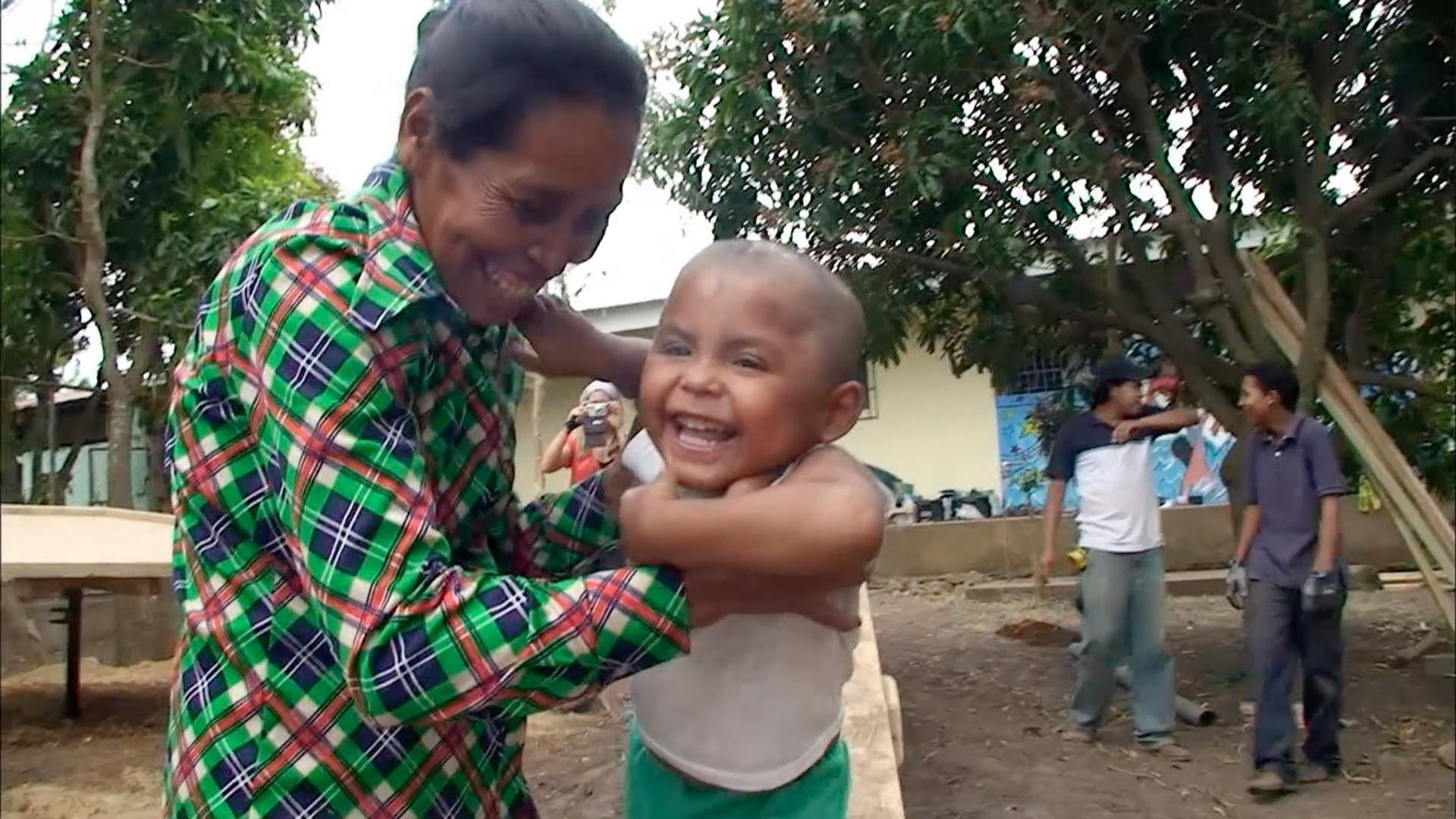
San José de Cusmapa is a small, rural town in northern Nicaragua. It is surrounded by mountains and trees and is known for its breathtaking views. Cusmapa is home to a vibrant and close-knit community, dedicated to the future of its youth despite its limited resources. The children of Cusmapa are proud of their town, but dream of having a dedicated space in which to play. In DIY Playground, Adam and Judy work with the children of Cusmapa to build the playground of their dreams.
This episode warms the heart, but it's more than just a touching story of community and teamwork. It's a great example of how engineers make a difference in the world, and how what they create can improve our lives.
You can use DIY Playground to teach your kids engineering concepts (like force, energy, friction, gravity, materials, and more).Pair it with these resources from our Educators Library:
Hands-on activities:
Zip Line: Design a way to get a Ping-Pong ball from the top to the bottom of a zip line string. Watch a demo.
On Target: Modify a paper cup so it can zip down a line and drop a marble on a target.
Get Moving Game: Invent a game that gets everyone up and moving.
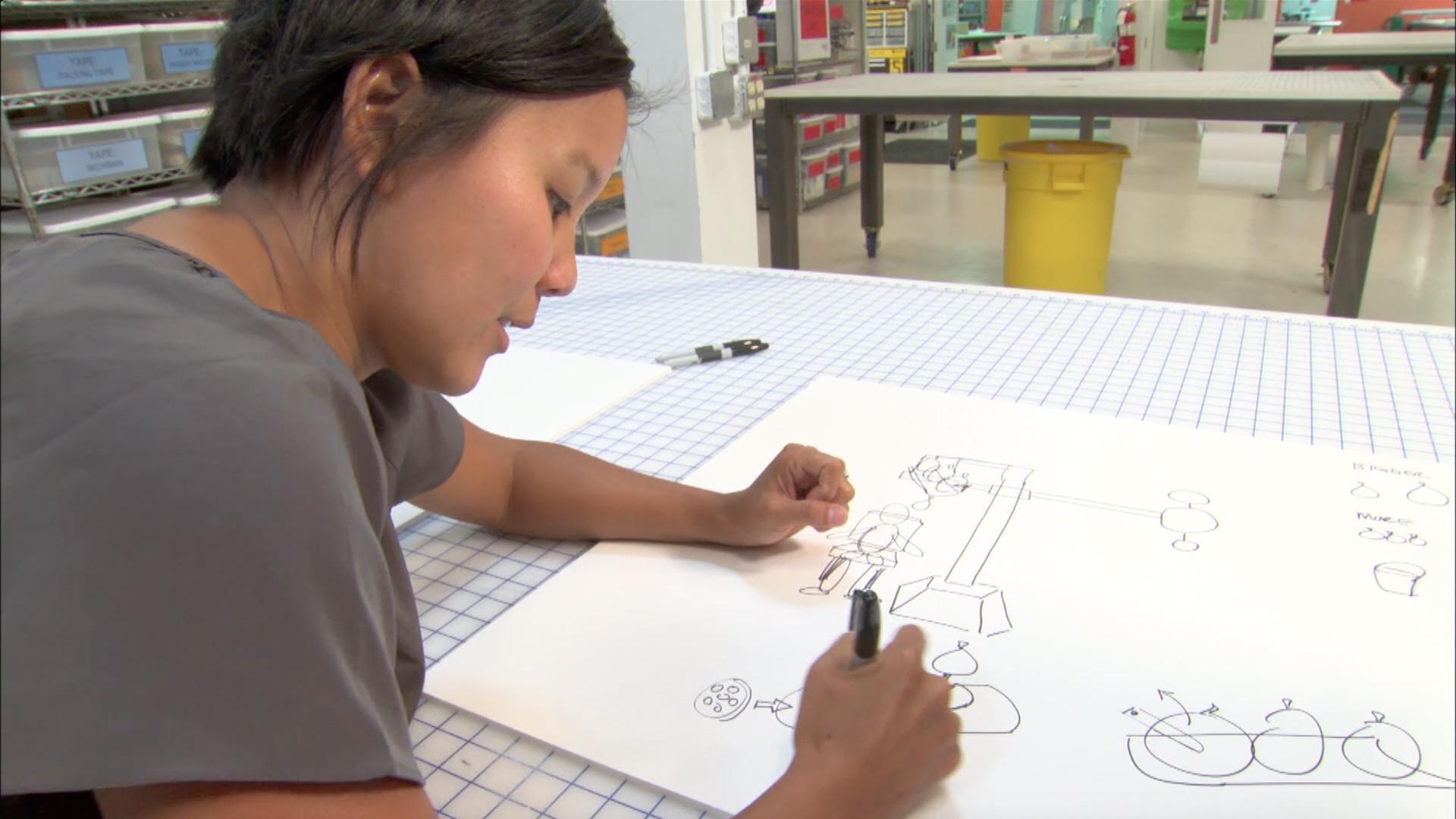
Roller Coasters - Chris Gray: Meet a mechanical engineer who applies his creativity and engineering know-how to build exhilarating (and safe!) roller coasters.
Bonus episode:
Backyard Thrill Ride: Design Squad teams bring the adrenaline rush of an amusement park ride to a 13-year-old's backyard.
Beatriz is a high school student in Emeryville, California with two passions: music and bicycles. Building bicycles, to be exact. (This girl knows her way around a blow torch.)
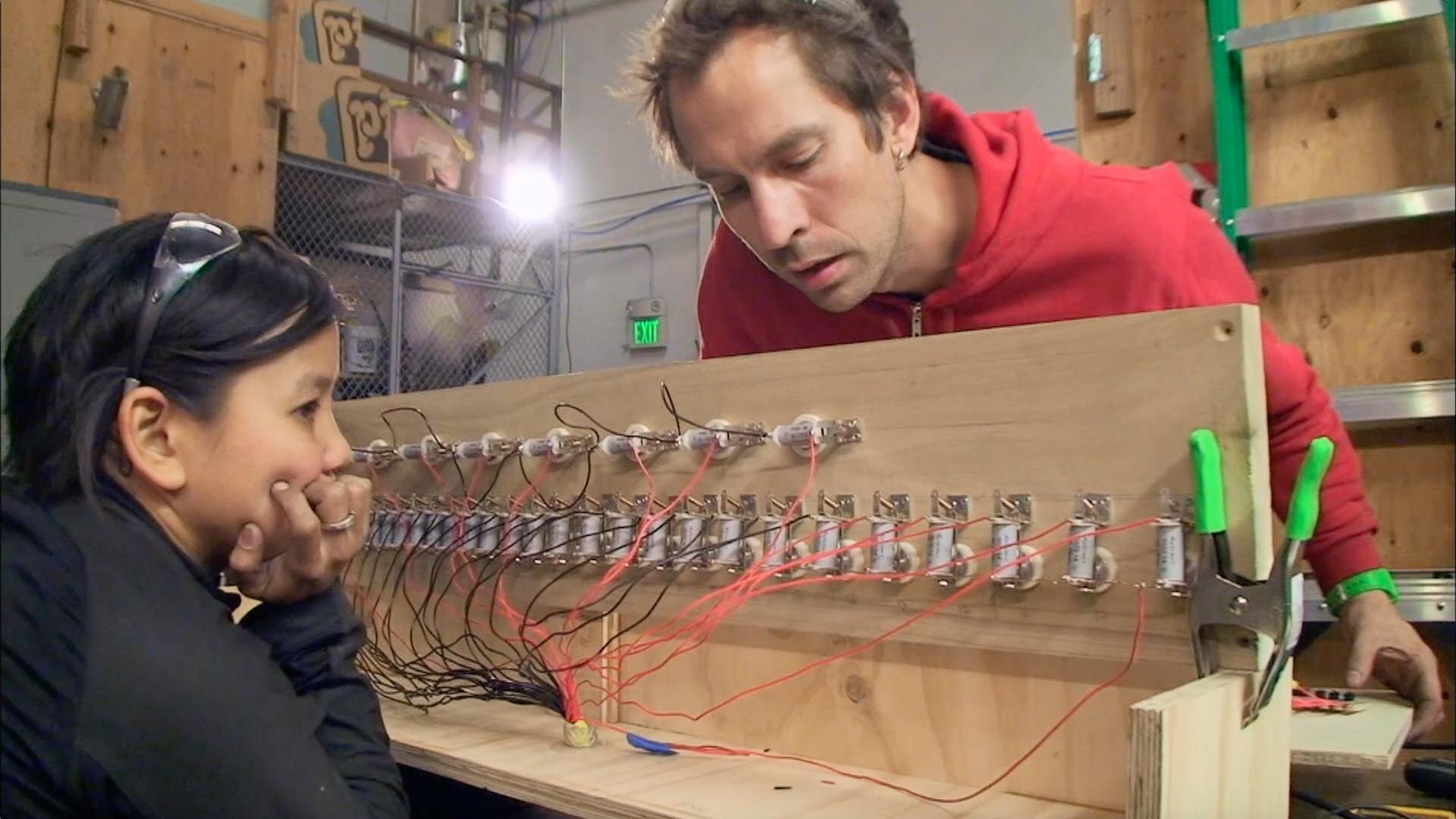
Beatriz loves to create and wants to build something unique that combines her two passions--sounds like just the challenge for our favorite pair of engineers. In Musical Bike, Judy and Adam help Beatriz design and build a pedal-powered pipe organ.
You can use Musical Bike as a launching point to teach
your kids the science and engineering of sound. Watch the episode and read on for more!
Ready to get your hands on a blow torch, too? Before you pull your old Schwinn out of the garage, check out the wealth of educator resources that support Musical Bike.
Online Game: String Thing: Manipulate a virtual string's tension, length, and gauge to produce different musical pitches. (Go ahead, unleash your inner Jimi Hendrix!)
Bonus Sound Episodes: Rock On: Design Squad teams create original musical instruments for a rock band.
Bonus Bike Episodes: Garden-to-Go: Adam and Judy help two kids design and build a pedal-powered mobile garden. Tour de BBQ: Design Squad teams compete to build a bicycle-powered rotisserie for a BBQ Restaurant.
Take note fashionistas:Design Squad Nation has gone haute couture. The House of Chanel may have some competition.
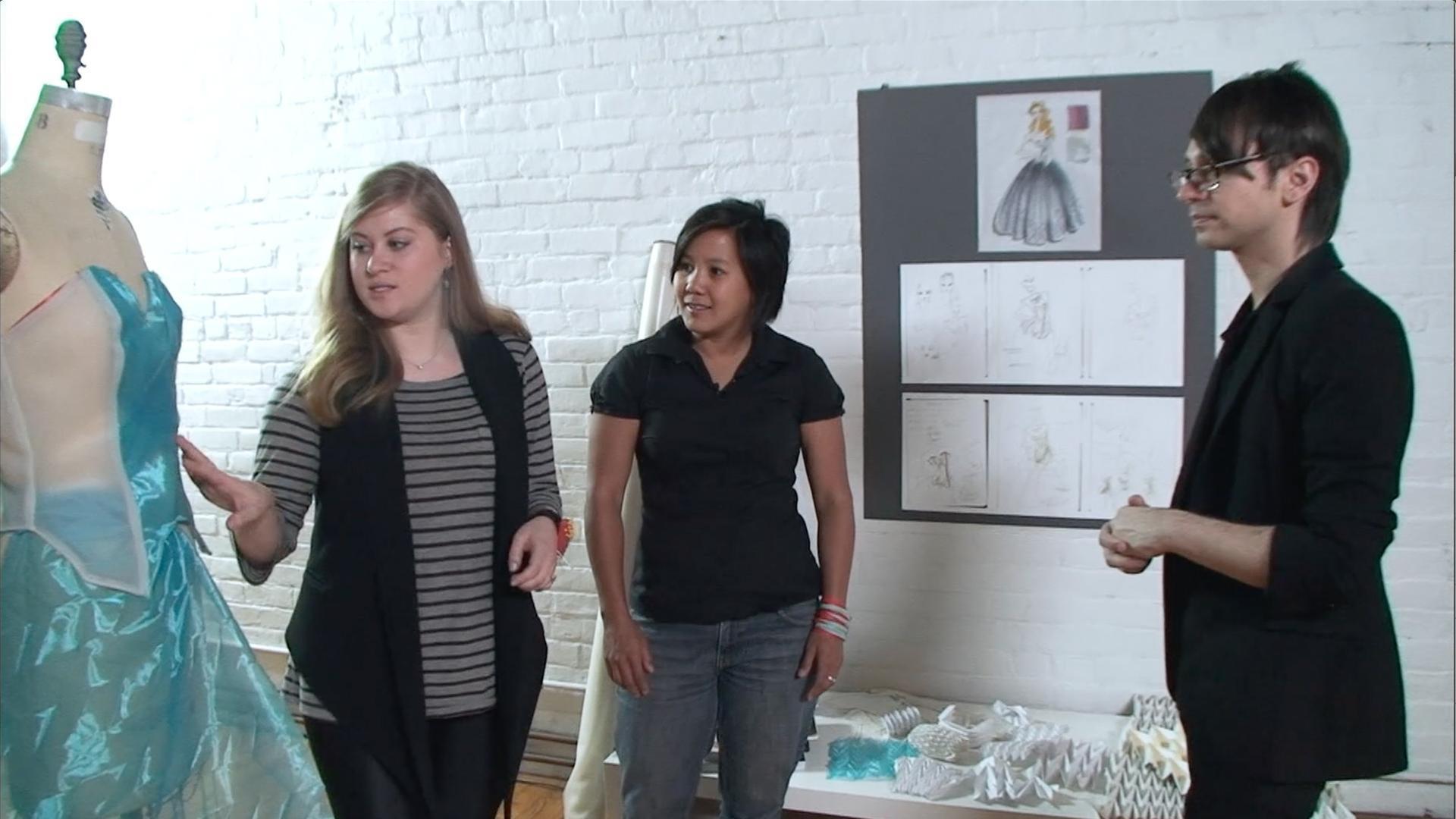
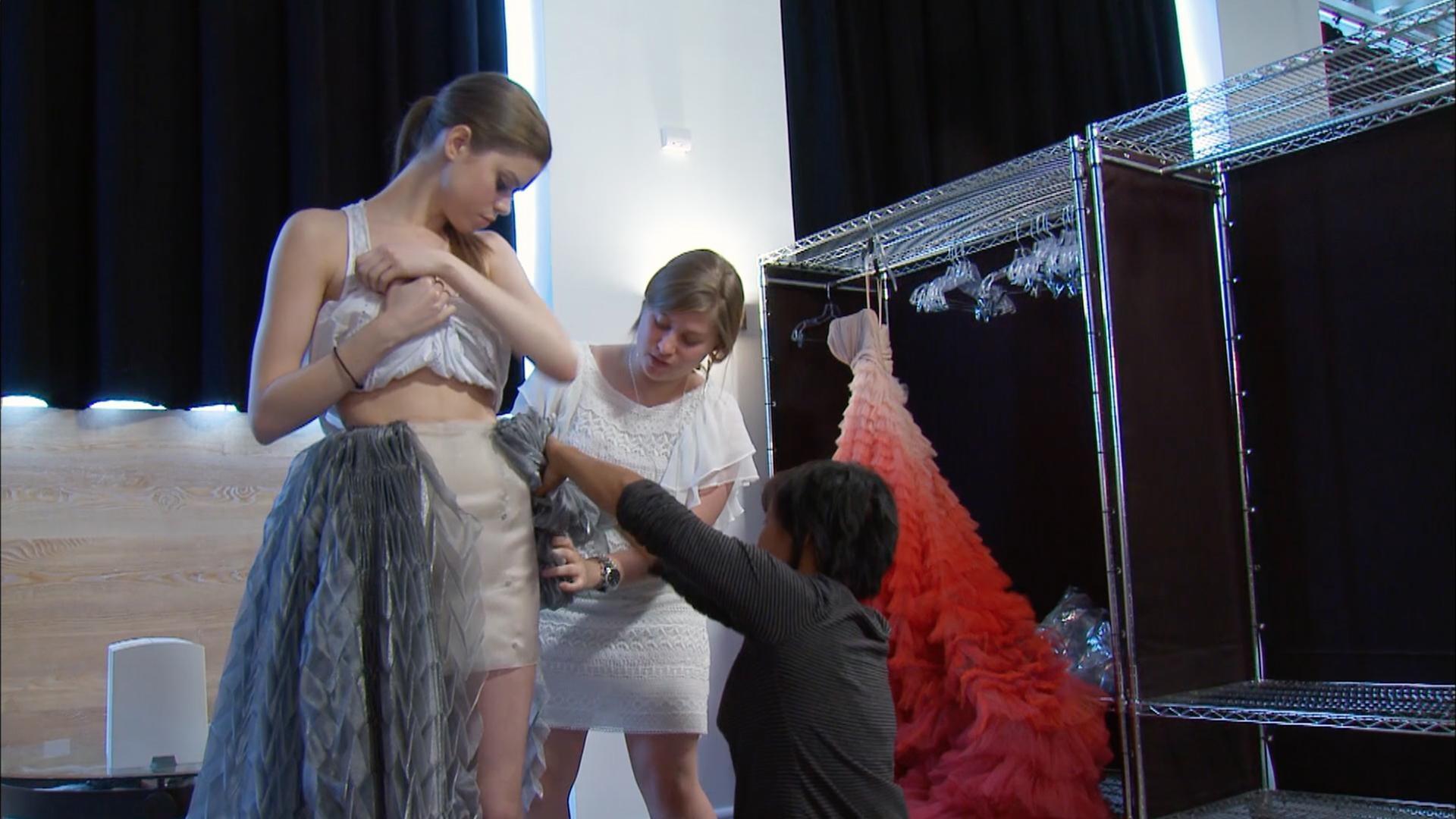
In the two-part episode A Cut Above, Judy and Adam get chic in the fashion capital of the world: New York City. They meet up with Eduarda and Juan, two up-and-coming designers whose dreams are about to come true.
Fashion designer and Project Runway winner Christian Siriano challenges Juan and Eduarda to showcase their individuality and creativity by reinterpreting a gown from his 2010 collection. Adam and Judy use their engineering know-how to add a little extra somethin' somethin' to Eduarda and Juan's dress designs, and the stakes gets serious when Teen Vogue gets involved.
Watch Part 1 and Part 2 of A Cut Above and read on to find out how you can use it to teach your kids about engineering.
Holy runway drama! Bottom line? Mixing fashion and engineering is like mixing stripes and florals--totally daring but absolutely fabulous (when well-executed, that is). Here's how to use A Cut Above to add an exciting twist to concepts of engineering: 1. Focus on electricity. Adam helps Juan bring new meaning to bling with their LED-lit dress. Pair the episode with:
Hands-on Activity:Dance Pad Mania - Build a dance pad that sounds buzzers and flashes lights. (45 min.)
Profile: Computer scientist and Dot Diva: Anamary Leal develops 3-D fashion design software that allows the user to envision what a finished piece will look like.
2. Focus on structures and materials. Judy and Eduarda use a folding technique to give more structure to their dress's fabric. Pair the episode with:
Hands-on Activity: Paper Table - Build a table out of newspaper that can hold a heavy weight. (45 min.) Watch a demo.(1 min.)
Video Profile:High-Tech Tents-Connie Yang - Mechanical and design engineer Connie Yang uses unusual materials in her high-tech tent designs for NEMO Equipment. (1 min.)
Bonus Episode:Functional Fashion - Design Squad teams compete to design the best dual-purpose clothing. (28 min.)
As Project Runway's Tim Gunn would say: Make it work! Show your kids how to be fashion-forward with engineering.
Read Teen Vogue's Q&As with Eduarda and Juan, check out their behind-the-scenes photos, and comment on this post on Facebook.
Q: What's mobile, green, and engineered in the UK? A: The Design Squad Nation episode, Garden-to-Go!
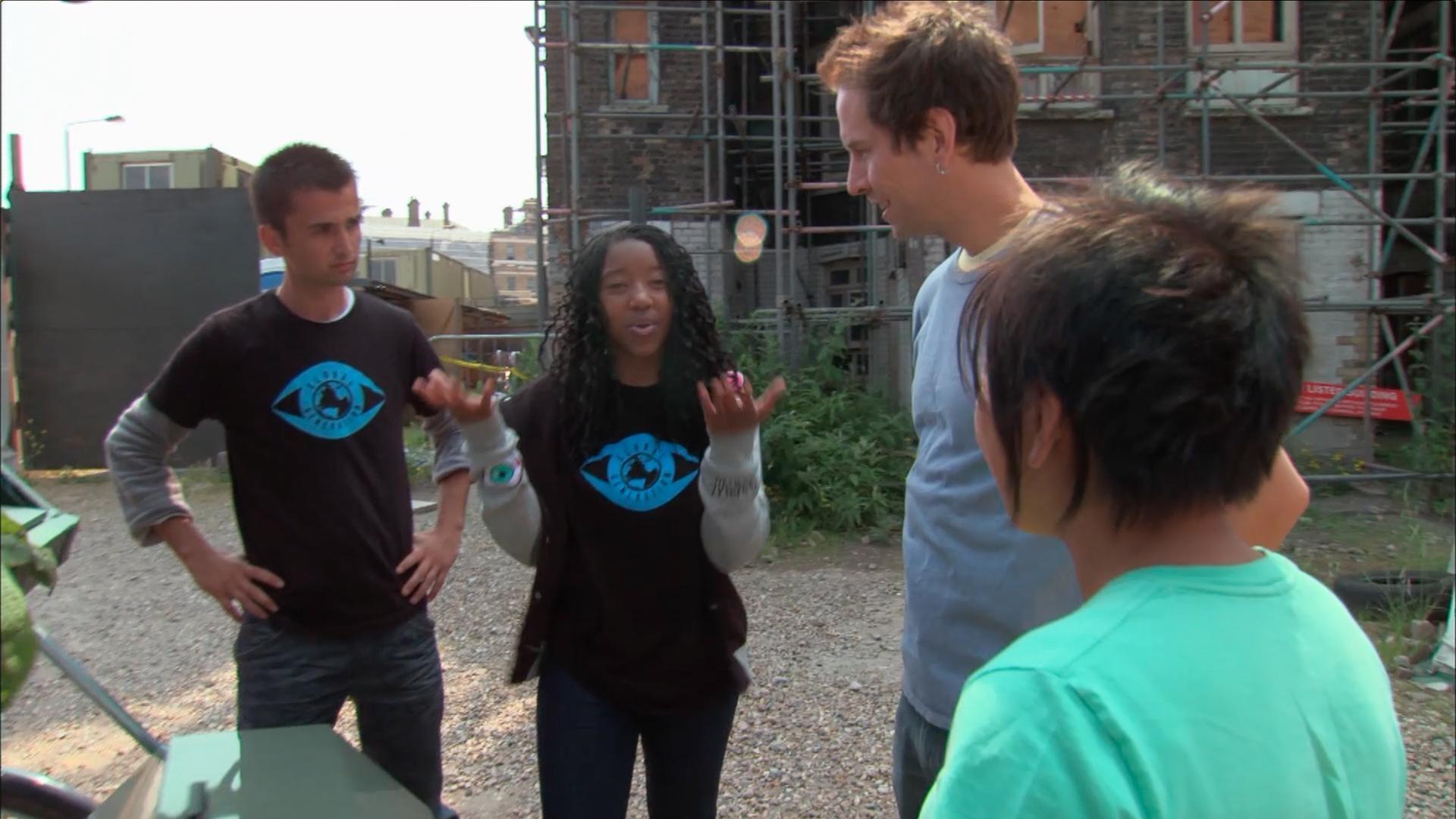
In Garden-to-Go, we see how engineers work to help the environment. Adam and Judy help Mariam and Bert, two young members of London-based Global Generation, design and build a pedal-powered mobile garden. It is the ultimate example of sustainable design.
The garden's fruit and "veg," as the Brits say, are grown on the rooftop of a construction site in skips (the British can make even dumpsters sound fancy). The produce is fertilized by food waste and...worm tea. Fancy a spot?
The "hoop cart" delivery system is made from recycled building materials and is entirely human-powered--by a bicycle-built-for-two! As Bert and Mariam deliver super fresh veg to local restaurants, they can also collect food waste to bring back to the skip gardens. This food waste fuels the wormery which fertilizes the garden which...voila... grows more veg. What a glorious example of environmental efficiency!
Showing Garden-to-Go to your kids is a wonderful way to illustrate how engineers can make a difference. You can pair it with any of these educator resources for a rich, multimedia experience:
How do you make a cake the Design Squad Nation way? Mix together sugar, flour, and eggs, then add circuits, motors, and a scary monster to taste.
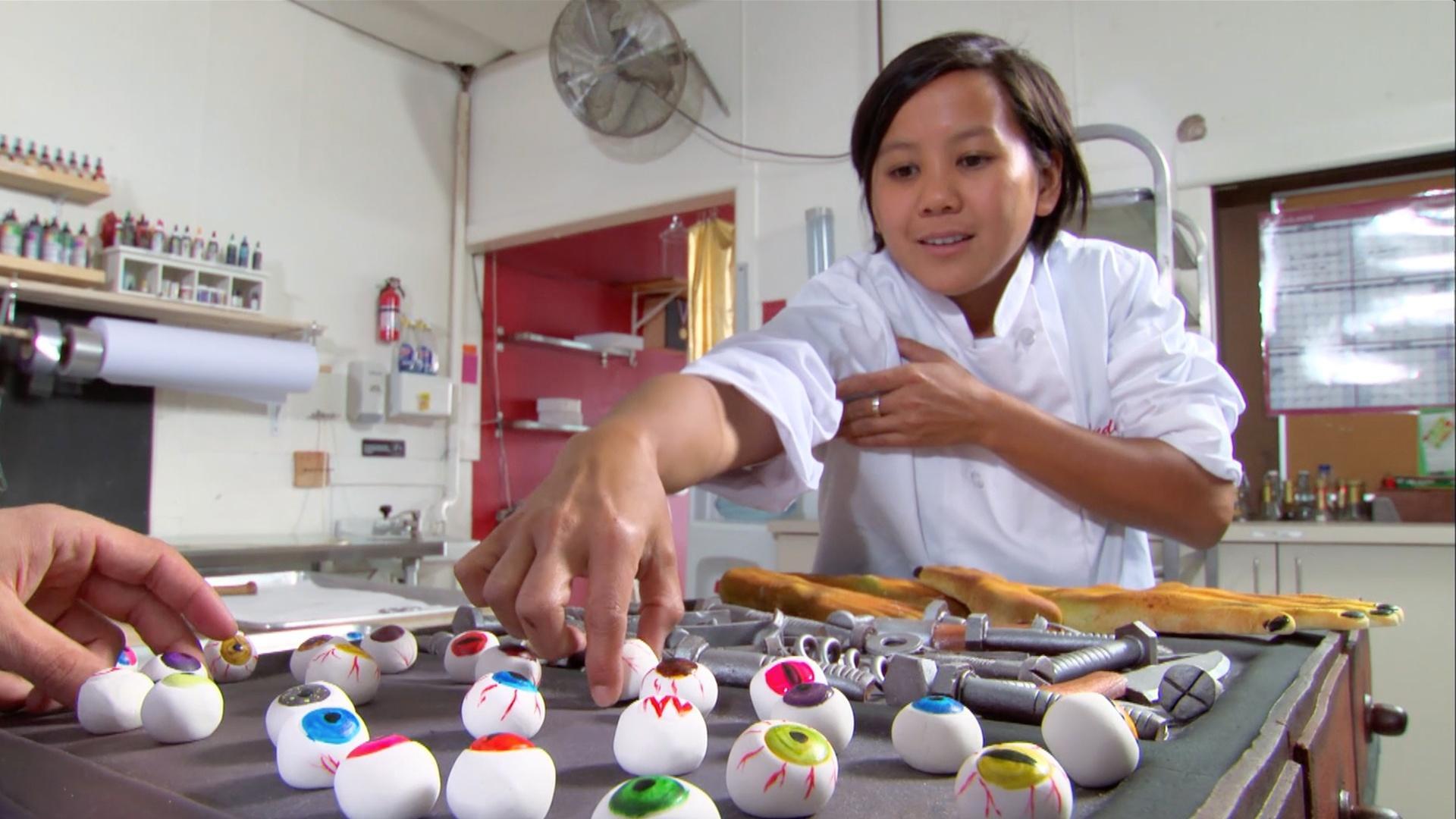
In the episode, It's Alive, Adam and Judy work with master pastry chef Jorg Amsler to help Jennifer, a young pastry chef, create the cake of her dreams for the cast party of Young Frankenstein: The Musical. It's part delicious, part electric, and part mad scientist.
Cue scary monster!
Show your kids the full episode and they may never look at cake the same way again. A delicious way to mark a special occasion? You bet. An amazing feat of engineering? That's a yes.... at least in this case!
Making the edible Young Frankenstein "come alive" was no easy task. A lot of ingredients went into the mix. A couple of key ones? Circuits and motors. You can use this episode and other resources from our Educators Library to teach your kids all about them. Here's how.
Challenge kids to try the hands-on activity, Kick Stick, in which they build a hand-held, motorized device that sends a Ping-Pong ball across the floor. Watch a demo.
Make a career connection with the engineer profile, Ice Cream-Pete Gosselin. Pete's a mechanical engineer for Ben and Jerry's. He creates specialized machinery that ensures the perfect balance of Chunky and Monkey. (In other words, he makes my life very, very happy.)
From cake to ice cream, It's Alive may just be the ultimate way to give your kids a taste of engineering.
It's a big day here at Design Squad Nation. It's the premiere of our first episode, Apache Skateboarders!
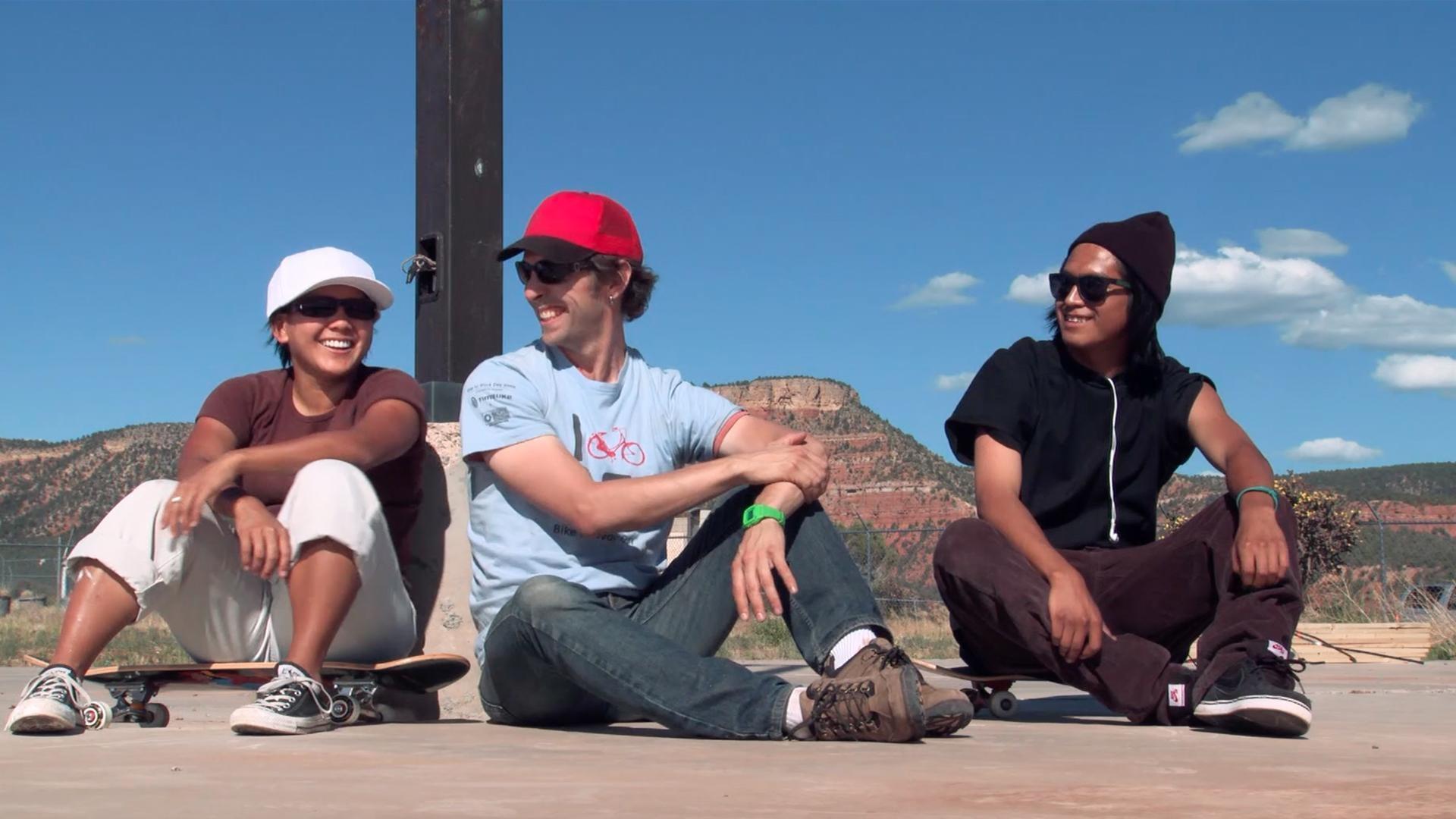
Our season of high adventure engineering begins on the White Mountain Apache Reservation in Arizona. Adam and Judy team up with Ronnie--a 17-year-old member of the 4 Wheel War Pony skateboarding team--to build a skateboarding street course. Engineered to be modular, durable, and weather-resistant, this is the skate park of Ronnie's dreams.
Totally rad, right? But how can you use this episode as a teaching tool? Why, I'm so glad I asked. Here's the rundown:
Use Apache Skateboarders toteach Force and Energy. Pair it with resources from our online library, especially for educators. Everything you need is here.